Network Design

Network Design for Michigan and the Midwest

Network planning and implementation for organizations that need reliable connectivity, security, wireless coverage, and room to grow.

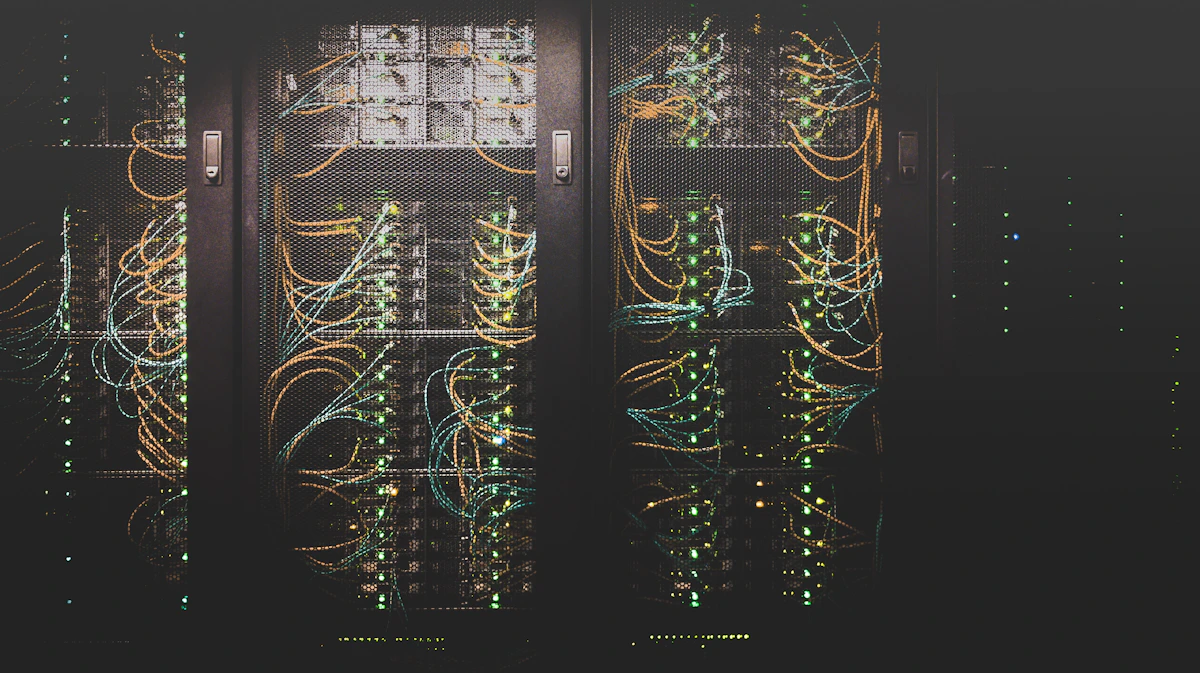
Network switches and structured cabling in a rack

Network Design Overview

A good network design starts with how the business operates.

Network problems show up as slow applications, dropped calls, weak wireless, camera issues, unreliable printing, cloud access problems, and frustrated users. The underlying cause may be cabling, switching, firewall configuration, wireless coverage, internet service, VLAN design, aging hardware, or a mix of several things.

PortHill Networks designs networks around users, devices, locations, bandwidth needs, security requirements, and future expansion. We look at the entire environment: internet handoff, firewall, switching, wireless, cabling, rack conditions, power, documentation, and the systems that depend on connectivity.

For growing organizations, design matters because small decisions become expensive later. A thoughtful network plan can support cameras, access control, VoIP, guest Wi-Fi, building devices, cloud applications, remote access, and multi-site connectivity without constant redesign.

Planning Notes

Planning a network design project

Network design is more than replacing switches. A good design accounts for users, applications, cameras, phones, wireless, security, buildings, vendors, and future growth.

Traffic types should be understood. Business devices, guest Wi-Fi, cameras, phones, building controls, and administrative systems often belong on different network segments.

Wireless design should follow usage. Conference rooms, warehouses, classrooms, clinics, and offices all have different coverage and density needs.

Power over Ethernet capacity matters. Cameras, phones, wireless access points, and access control equipment depend on switch power planning.

Documentation prevents guesswork. Diagrams, port labels, IP information, equipment lists, and configuration notes reduce downtime during troubleshooting.

Services and Capabilities

What this service can include.

Every project is scoped around the site, risk, budget, schedule, and operational needs. These are common capabilities PortHill can help plan, install, coordinate, or support.

Network Assessment

Review of switches, firewalls, wireless, IP addressing, cabling, internet service, documentation, and recurring issues.

Switching and VLAN Planning

Segmentation concepts for business systems, guest access, cameras, phones, building devices, and administrative traffic.

Wireless Design

Access point planning for offices, warehouses, schools, clinics, conference rooms, and high-density areas.

Firewall and Edge Coordination

Planning around internet service, VPN access, security policies, failover needs, and business continuity.

Multi-Site Connectivity

Network standards and support planning for organizations with multiple offices, buildings, or campuses.

Documentation and Handoff

Readable network diagrams, equipment lists, port labeling concepts, and support notes for future troubleshooting.

Industries Served

Built for real facilities, teams, and operating conditions.

PortHill works across environments where technology has to support people, safety, uptime, compliance, and daily operations.

Professional offices Manufacturing Education Healthcare Commercial facilities

Project Example

Example project: redesigning a network before a security upgrade

A facility adding cameras and access control may discover that the existing network was never designed for that traffic. A network design project can define VLANs, switch capacity, PoE needs, wireless coverage, firewall rules, rack cleanup, and documentation before new systems go live.

  • Switch and PoE capacity review
  • VLAN and security planning
  • Network diagram and handoff notes
Network switches and structured cabling in a rack
Project photo slot. Set a real PortHill project photo as this page featured image before final SEO publishing.

Service Area

Serving Michigan and the Midwest.

PortHill Networks supports businesses, campuses, public-sector facilities, healthcare environments, and commercial properties across Michigan and the Midwest.

Common service areas include Detroit, Grand Rapids, Lansing, Ann Arbor, Flint, Kalamazoo, Battle Creek, Jackson, Saginaw, Bay City, Midland, Muskegon, Traverse City, and surrounding Michigan communities; Southeast Michigan communities including Detroit, Dearborn, Livonia, Warren, Sterling Heights, Troy, Novi, Farmington Hills, Auburn Hills, Pontiac, Royal Oak, Rochester Hills, Canton, and Ann Arbor; and regional Midwest locations such as Toledo, Fort Wayne, Cleveland, Columbus, Indianapolis, and Chicago for multi-site technology standards and support planning. For multi-site organizations, PortHill can help standardize technology planning and documentation across several locations.

For organizations with regional footprints, PortHill can help align cabling, network design, security systems, access control, smart building technology, automation, and documentation across offices, campuses, warehouses, and facilities in multiple markets.

The network design finally gave us a clean foundation for phones, cameras, Wi-Fi, and future expansion.

IT Manager Manufacturing

FAQs

Questions about network design.

Do we need a full network replacement?

Not always. An assessment can identify what can remain, what should be reconfigured, and what is creating the most risk.

Can you design networks for cameras and access control?

Yes. Security systems depend on the network, so PoE, VLANs, bandwidth, retention, and support access should be planned together.

How do you improve wireless coverage?

We review floor plans, building materials, user density, device types, and existing access point placement before recommending changes.

Do you provide documentation?

Yes. Documentation is part of making the network supportable after installation or redesign.

Request a Consultation

Phone248-662-5558

Emailinfo@porthillnetworks.com

Service AreaMichigan and the Midwest

Project TypeNetwork Design